5 Must Know Bass Fishing Lures To Get You Started.
There are so many choices when it comes to bass fishing lures. Choices are great but things can get pretty cloudy when presented with all the different kind of lures on the market today.
Skip to:
There are a few common lures that are used when you are trying to catch that monster largemouth or any other bass for that matter. What you need to know is which one of those is going to be the best bass lure for your fishing situation. To know that you got to understand how those lures work.
Lets take a look at some of the most popular bass lures to make it a little easier to understand what makes each type unique.
Soft Baits
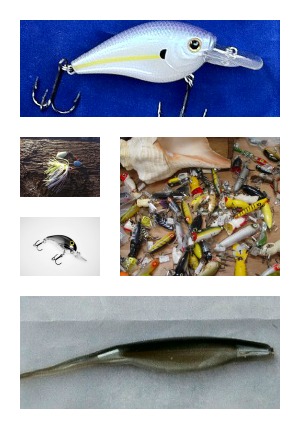
The most popular type of lure is probably your soft baits. These can range from worms to lizards to frogs and a variety of bait fish. Most can be fairly cheap so its a great way to start learning if you are new to bass fishing.
The variety of soft plastics makes it easy to present finicky bass all sorts of shapes, sizes and colors to get them to bite. Couple this with the variety of ways to rig them up and your options are almost endless. One of my favorite ways to set up your line with a soft plastic is using the Texas rig. Its a simple rig and you can make the lure virtually snag proof. This makes it not only a bass catching machine but also a good choice for the kids who usually like to be reeling in and casting out several times.
*More on bass fishing rigs.
*Check out how to set up the Carolina Rig.
*Bass Fishing with the Texas Rig.
Crankbaits
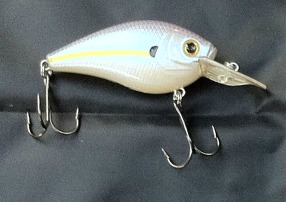
Another top bass fishing lure is the crankbait. The crankbait or plug is a hard bodied type lure usually made of wood.
They can be either solid or hallow in construction and will have a plastic lip that gives the lure it's wobbling action when you reel it in. This plastic lip is also what makes the lure dive to a certain depth depending on its size and/or position. The larger the lip, the deeper the dive.
The sheer variety of crankbaits, not only in the different looks but also in its actions, makes it a popular choice to start learning how to fish with lures.
*Swimbaits are also a great bass catching lure. Check them out.
Top Water/Surface Lures
The surface lure is made to do just that, float on the surface of the water. During retrieval these lures will pop, gurgle, buzz, waddle, pulse, twitch or fizz across the surface.
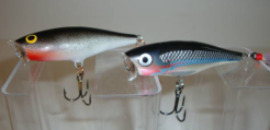
They are made to mimic surface prey such as lizards, mice, frogs or small injured bait fish. An example of a popular type of surface lure is the Popper. Poppers get their action from a curved "cup" at the front of the lure body.
A common technique for surface lures is, once it comes to rest on the surface, to jerk it 2 or 3 times then let it rest and repeat. Use a heavy mono line so that it floats on the surface. This also allows for more control in that rather than the lure running past or over your line the heavier line will push it back and allow for better control.
Spinnerbaits
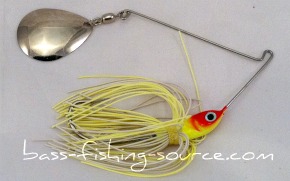
With all its customizable elements, spinnerbaits are a go to lure for many anglers. But it is very important that you understand how these lures work and how to present them to hungry bass. Working one these lures correctly could pay off huge with trophy size bass.
Jigs
Another type of popular bass fishing lure is the jig.
A jig is basically a weighted hook. The "head" is made of lead with some more modern models being made of tungsten. The body of a jig is made up of some sort of soft plastic material, typically strands of plastic to form a skirt.
Some are sold as jigheads which allow you to attach your own soft plastic such as worms, lizards or grubs to name a few. These lures are pitched and allowed to fall to the bottom. They are retrieved in a vertical pattern or bounced along the bottom and in some cases pulled across rocky or grass bottoms.
Practice makes perfect...
The same theory applies to all lures. By slowly twitching them in, the lure appears to be injured prey for the bass. This easy meal attracts a fish that is trying to conserve energy for the big run.
It's a good idea to experiment with different kinds of lures to see how they work in the water. Find a small, shallow clear area to cast to and try a slow retrieve to see how the lure works. Notice the things that might get the bass to hit so you know how to work that particular lure.
Whatever you fish with, getting to know its characteristics should be top priority. This will help you know how to fish the lure for the best chance of big strikes.
Hungry for more? Here is another great site for more bass related info.
If you are into making your own lures or want to learn more about it check out LureParts.com.
Check out the Top 5 Fall Bass Lures from Rapala.


New! Comments
Let us know what you think! Leave us a comment in the box below.